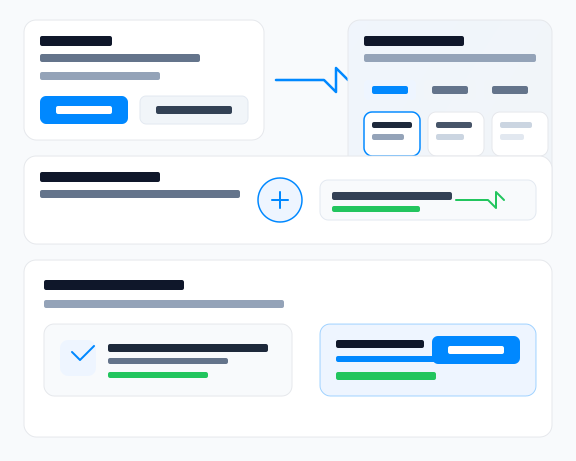
How the automation works
A simple flow from first touch to follow-up—without spreadsheets or lost sticky notes.
Leads come in from your site
Contact forms, quote requests, call clicks, and booking widgets send structured data the moment someone reaches out.
Everything lands in your CRM
New contacts are created or matched, tagged by source, and assigned to the right person or stage—so nothing sits in an inbox.
Automations and alerts kick in
Instant notifications, text or email follow-up sequences, and reminders keep the team aligned—so more conversations become estimates and booked work.
What this means for your business
Practical guidance for contractors and local service companies—written for customers in the United States and Canada.
Why web leads leak without CRM discipline
Contractors lose revenue when form submissions sit in generic inboxes or when dispatchers manually retype data into job systems. A website that generates traffic but not pipeline discipline wastes media spend. Integrating your site to your CRM closes the loop: every lead is attributed, assigned, and followed up.
Across the US and Canada, peak seasons create volume spikes—automation ensures after-hours submissions still create tasks for the morning crew instead of vanishing.
Integration architecture we implement
We map fields from your forms and call-tracking tools to CRM objects: contacts, deals, opportunities, or work orders. Validation rules prevent garbage leads from polluting pipelines. When possible, we use native integrations; otherwise middleware like Zapier or custom serverless functions with retries and logging.
Source parameters from ads (UTMs) flow through so you know which pages and campaigns produce booked estimates—not just form fills.
Automation without annoying your customers
Sequences acknowledge receipt immediately, route by ZIP or service type, and remind staff to call—without spamming prospects with ten emails. Thresholds and business hours respect how trades teams actually work.
For multi-location brands, routing rules send leads to the right branch or franchisee, reducing response time and channel conflict.
Outcomes you can measure
With CRM data tied to web events, you can report cost per lead, speed-to-contact, and close rate by source. That feedback informs SEO priorities (which service pages to expand) and paid budgets. The website becomes a measurable front door—not a brochure.
Frequently Asked Questions
Which CRMs do you integrate?
We work with common contractor and SMB stacks—HubSpot, Jobber, ServiceTitan connectors via middleware, Zapier/Make, and custom APIs when needed. Scope depends on your system and data model.
Will leads still email my inbox?
They can, but the goal is structured data in the CRM: source, service line, and next action—so leads are not lost in threads.
How fast can my team respond?
Automation can notify owners and estimators instantly via SMS or Slack; speed-to-lead is configurable based on your coverage model.
Is my customer data secure?
We follow least-privilege API keys, HTTPS everywhere, and documented data flows. Detailed compliance review may require your IT or legal stakeholders.